

• A Literary Magazine | Honest Reflections on Life's Leisurely Diversions

Monthly Archives :

July 2026

With Little Rhyme or Reason, Reds Take Two of Three in the Bronx

150 150 bjj-sportliterate

With Little Rhyme or Reason, Reds Take Two of Three in the Bronx

by William Meiners

Betting men and women, as easy as a phone flip, might have gone big on the Yankees hosting the Reds over the official first summer weekend of 2026. The contending Bronx Bombers, 18 games over .500, could surely feast on an underwater team from the NL Central.

The Friday night shutout, where Cam Schlittler breezed by Reds’ hitters, whiffing 13 while scattering four hits, surely confirmed a sure thing. With four in the second off Rhett Lowder, the game seemed over early. Not sure if a Red even reached third base, but I paid little attention. Lawn work, you know. I later learned three Yankees relievers struck out four more. Seventeen strikeouts in the 27 outs. Talk about non-competitive baseball with so few balls put into play.

Saturday, Paul Goldschmidt looked a bit like Mike Schmidt with his right-field homer off Andrew Abbott in the first. One-nothing early. And here we go again.

But hold the phone, gamblers. Reds woke up in the third inning as Sal Stewart doubled home two teammates with two outs. A legit Rookie-of-the-Year contender, swaggering Sal added a sacrifice fly, putting up the visitors 3-1 in the fifth. Then Spencer Steel put one in the leftfield seats (fair territory) with two mates aboard. Six-one, Reds.
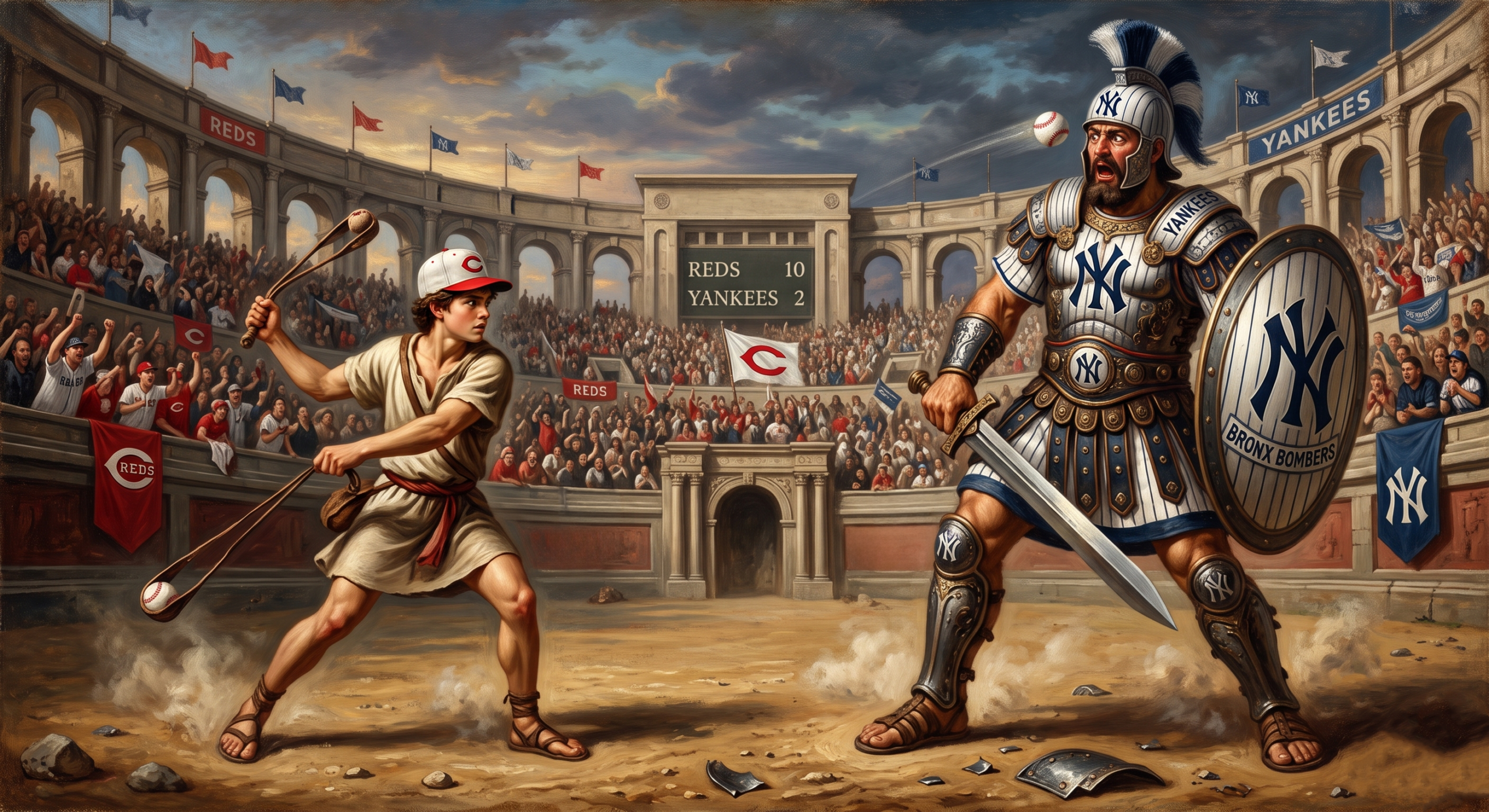
In the eighth, man-of-the-hour, Stewart, unloaded the bases with another double, giving him six afternoon RBIs. Dane Myers doubled home Stew for an exclamation point in the 10-2 win. A much-needed breakout to give the Cincinnati kids some confidence.

In the Sunday rubber match, Chase Burns proved to be his usual stud self. He surrendered a solo homer to Ben Rice in the third but otherwise pitched around walks and struck out seven Yanks to chalk up only that single run through five full innings.

Tyler Stephenson’s three-run shot into the Yankee bullpen (also in fair territory), gave Burns back the lead in the top of the fourth. Three Red relievers, a collective scuffling bunch as there has been in the Bigs, combined for four shutout innings. Noelvi Marte’s ground-rule double in the ninth scored an insurance run in the form of Spencer Steer. Reds win 4-1.

Stop the New York presses. I called the cellphone of my father, who died in March 2015; he didn’t answer. What in the world would allow a small-market David to beat this Gotham City Goliath? Surely this was divine intervention.

Yet the Reds swept them two years ago at Yankee Stadium. You (and I mean me) were mowing the lawn on the fourth of July in preparation for heavy-duty fireworks. Not the cheap stuff. And if you cried you could have blamed it on summer seasonal allergies, which you don’t have.

Are the Reds creeping back to something? They swept the Yankees in the 1976 World Series, winning the last two games in Yankee Stadium. I missed the clencher, attending the Pacers season home opener. An overtime loss I cannot recall. Thanks, Google, for the confirmation. And thank God for small New York miracles.

William Meiners is the editor of Sport Literate. Among his summer 2026 plans are the documentation of 33 Reds’ series. That should be about 500 words every few days. If you don’t expect too much breakdown or analysis, outside of his own troubled head, you may not be disappointed. From losing streaks through high-water marks, he’ll follow the club, sometimes literally, from the reluctant spring of early May through the dog days of August. Then he’s off to something else.


 

Reds Take Another Series from Mets, but Fall Short of Sweep

150 150 bjj-sportliterate

Reds Take Another Series from Mets, but Fall Short of Sweep

by William Meiners

Baseball is for thinkers. Maybe more so than other sports. Set aside analytics and that whole can of worms. It could be the grind, for players and fans alike, dealing with the ups and downs of a six-month season.

By mid-June, not even officially summer yet, the pundits are predicting the worst for the last-place Reds. With good reason. And even though I often run blue, I share that dread.

With daylight pushing 10 p.m. in Michigan, it’s a glorious time for swimming. Although it could be sink or swim for the Redlegs. And there’s no Johnny Weissmuller in the farm system, so this 2026 squad had better get better.

Thankfully, the New York Mets, another basement dweller, rolled into Cincy from the Big Apple for a three-game affair. Monday’s a laugher, and one for us. Handsome Eugenio Suárez hit a two-out, two-run homer in the first. Then he doubled up in the second, launching a two-out grand slam. It’s 9-0 after two, and they just need to roll through the rest of it.

Seems so easy when the solo homers become two, three, and grand salami bombs. It has to be more than good hand-eye coordination and a quick bat. It’s the knowledge of confidence, right? What the snake sold Eve and her man Adam on in the garden.

Reds won 12-zip on Monday. In a two-for-Tuesday thrill, Sal Stewart and Spencer Steer (SS & SS) went deep in the first. Stewart made the Mets pay for two leadoff walks. Steer went solo with two outs. After one full, 4-0. Not necessarily over, but they held on for a 5-3 win. Brady Singer pitched five full for the victory, and four guys from the bullpen pitched well enough to hold it up.

I was looking forward to the televised sweep in Wednesday’s businessman’s special. But the Cincy boys looked as flat as a winter-worn welcome mat, mustering five hits, surrendering 15, and losing 9-1. Hungover maybe? I would be, celebrating those Monday and Tuesday night dingers in Queen City bars.

Oh, the elusive sweep. The Reds, swept by division rivals Pirates, Cubs, and Cardinals, have not brought out their brooms since the first week of April in Texas. April! Those were the days, mon ami. Seems like a lifetime ago.

There’s no surge from the basement without an occasional sweep. The Reds are three games under .500 and they can’t play the Mets every week. They’ve got Thursday off. They’ve got every Thursday off in June. Good enough reason for me to get drunk every Wednesday night. But these guys probably don’t think or live like me. They probably don’t know a thing about me, even as I spend a few hours a day on them.

The six-game homestand is a sister kiss — three and three against Diamondbacks and Mets. Both dogs enough at time who could have easily had their noses rubbed into the dirt of Great American Ball Park. I’d sell singer/songwriter Jewel’s soul for a sweep.

William Meiners is the editor of Sport Literate. Among his summer 2026 plans are the documentation of 33 Reds’ series. That should be about 500 words every few days. If you don’t expect too much breakdown or analysis, outside of his own troubled head, you may not be disappointed. From losing streaks through high-water marks, he’ll follow the club, sometimes literally, from the reluctant spring of early May through the dog days of August. Then he’s off to something else.
Snakes Take Series in Cincy, Damn It!

150 150 bjj-sportliterate

Snakes Take Series in Cincy, Damn It!

by William Meiners

The Arizona Diamondbacks, slithering into Cincinnati over a mid-June weekend, got healthier taking two of three from the Reds. Runners left on base, misplays, and a shaky bullpen all factored into Friday and Sunday losses.

Of all religious rituals, snake handling has an origin story that surely needs telling. Imagine a Pentecostal preacher, perhaps in a post-game analysis of a lackluster sermon. “The congregation seems less inspired, Silas,” a young man tells an elder. “Jebediah Smith did say he’s got a whole mess of snakes he can bring to church.”

The snakebit Reds, losing at least five close games since June began, faced an Arizona team equally scuffling on the offensive front. Most offensive for the Reds is their inability to move runners off the bases. Case in point: Friday’s first inning, where lefty Eduardo Rodriguez threw a slew of pitches, walking three Reds with less than two out. Unproductive flyouts  from Sal Stewart, Eugenio Suárez, and Blake Dunn left them all stranded.

Another Cincy starter, Nick Lodolo, pitched well enough to win. His teammates, however, accounted for just four hits, including a second-inning solo homer by Noelvi Marte. With deuces wild in the ninth — two on, two out, and the game tied at two — Dunn dropped a line drive that broke up the tie. Jordan Lawlar’s flair to right added two more in the 5-2 loss.

Camping alongside Lake Huron with my family, I bicycled around with the Reds broadcasters in my ears on Saturday. Rhett Lowder served up a long ball to Corbin Carroll, the game’s first batter. But he settled down from there.

The Reds managed to even it in the third, but otherwise made Michael Soroka look like Max Scherzer; as the D’back starter gave up only two hits in seven innings. The homeboys would only get one more — Marte’s second homer of the series — an eighth-inning shot that proved to be the game winner. Tony Santillan, who had been struggling mightily, earned the save.

Our Sunday drive home allowed for the Reds on the radio in a back-and-forth game marked by homers. J.J. Bleday launched one in the first. Suárez just missed on a two-out, RBI in the third (breaking the 1-1 tie), and Marte hit his third solo homer of the series in the sixth. But the bullpen could not hold again, allowing single runs in the eighth and ninth. Reds lose 5-3.

In 11 Sunday games, the Reds are just one game under .500 (5-6), so you cannot blame God. With half their games in homer-friendly GABP, you hope they outslug the visitors. But I’m not sure of the stats on that. Consistent hitting, or lack of it, concerns me more. Not a single player is even sniffing near the .300 mark.

Even fans of a godforsaken team need to keep the faith. Keep some post-season hope alive. They still have the best record of all the last place teams in the big leagues. Though the slide away from .500 can make anyone feel like a hopeless sinner.

William Meiners is the editor of Sport Literate. Among his summer 2026 plans are the documentation of 33 Reds’ series. That should be about 500 words every few days. If you don’t expect too much breakdown or analysis, outside of his own troubled head, you may not be disappointed. From losing streaks through high-water marks, he’ll follow the club, sometimes literally, from the reluctant spring of early May through the dog days of August. Then he’s off to something else.



.


Soccer Dad Offers Humor, Advice for Coaching Up a Talented Player

150 150 bjj-sportliterate

Soccer Dad Offers Humor, Advice for Coaching Up a Talented Player

by William Meiners

In the grand scheme of things, soccer is an acquired taste for most Americans. At least over the last 50 years. It’s relatively easy to assemble marauding herds of cleated and shin-protected 3- and 4-year-olds chasing a single ball with single-minded hopes for goal-scoring glory. With coaches and parents all shouting the same supportive advice, “Spread out!” it’s all very cute. Up until one kid, seemingly on standby on the pitch, takes a swiftly kicked ball off the forehead.

If you are not in lockstep with every facet of the World Cup taking place in North America this summer, you’d get no grief from me. I appreciate the traveling traditions of the fans, especially the thought of Scots drinking Boston dry. Just as I marvel at the endurance and athleticism of soccer players. Yet other than a couple of middle school, non-scoring years in short pants, followed by some fun playing in an “over 30” Indy indoor league (then in my late 20s), it’s just not my game.

Soccer wasn’t David Murray’s game growing up in Ohio either. He and Christie Bosch, once girlfriend, later wife, moved to Chicago in the early 1990s primarily “because of Wrigley Field,” he told me in early May before the ivy had even reached its lushest green.

“I just couldn’t believe there was this ballpark in the middle of a neighborhood,” he said. “It just lit my imagination in a way. I also knew I was going to be a writer and needed to get to a bigger market. I don’t think I had the guts for New York.”

Their daughter Scout, born in 2003 and named — perhaps in equal parts — for Harper Lee’s iconic character from To Kill a Mockingbird and Murray’s classic International Harvester Scout, would soon make the world’s most popular sport central to their lives. Her footwork, demonstrated by a knack for dribbling around towheaded boys and frequent goal scoring, did more than raise shouts of “Goal!” in city parks. It raised questions. How good could Scout be? It also attracted advice, much of it unsolicited to parents still learning the game.

Scout Murray, Team Celery.

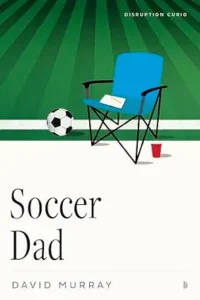
In his book, Soccer Dad (Disruption Books), released in April to coincide with Scout’s graduation from Ohio University, Murray recounts the family’s soccer journey. From playing in a league with teams named for vegetables (Celery won every game, and most of them weren’t very close, he writes.) to travel squads to her high-intensity days with the Ohio Bobcats as a D-I athlete.

Murray said the idea to write about it all didn’t come until Scout headed off to college. On that first recruiting trip, her eventual coach called her a “well-kept secret,” someone he hoped would stay under the radar of other programs. She did, accepting that lone offer to play in Athens.

With their only child out of the house, Murray said he suddenly felt like he’d been gifted another four or five hours a day, even as they stayed in daily contact with Scout. The writing rhythm came quickly, getting those first goals on paper, capturing the know-it-all parents in sidelined lawn chairs, and wrestling with decisions over how to guide a talented kid.

Early in the book, Murray writes, “I was almost studious in my soccer ignorance, which I sensed might be my greatest strength as a soccer dad.”

I think he’s right about that. Just as her freshman year kicked off her college career, Murray looked back nearly two decades to gain perspective. There’s no shiny coat of revisionist history of the carefree road taken to a D-I scholarship. Instead, Murray writes about what they did not know, or what they could have done differently, as a family that was never maniacal about soccer. Readers, with or without athletic offspring, will find both good humor and an honest take on Scout’s path.

A star on her high school team and on middling travel leagues in Chicago, Scout might have improved her game by playing on elite travel teams in the suburbs. “I always relied on her coaches to tell us the truth,” Murray said. “They were always saying, ‘You’re D-I material.’ They just didn’t tell us that she was in the wrong league.”

Through it all, Murray shares the experience of working with personal coaches, cheering on Scout as one of the best players at less competitive levels, and a summer road trip to visit colleges. There’s a father-daughter story here, plus the family’s story, that only intensifies with the competition in the Mid-American Conference.

For all her talent, Scout’s confidence sometimes faltered throughout her career. The best of times could be literal highlights, including a game-winning goal against Bowling Green that made SportsCenter’s Top 10 plays. That goal was part of her MVP performance in the MAC tournament as a sophomore. The following fall, however, with her playing time reduced, Scout’s Facetime talks with her parents often revolved around frustrations. Her college coach, unnamed in Murray’s book, could be highly intense and critical of athletes. Coaching a player up perhaps not his strong suit — and perhaps not that of most college coaches.

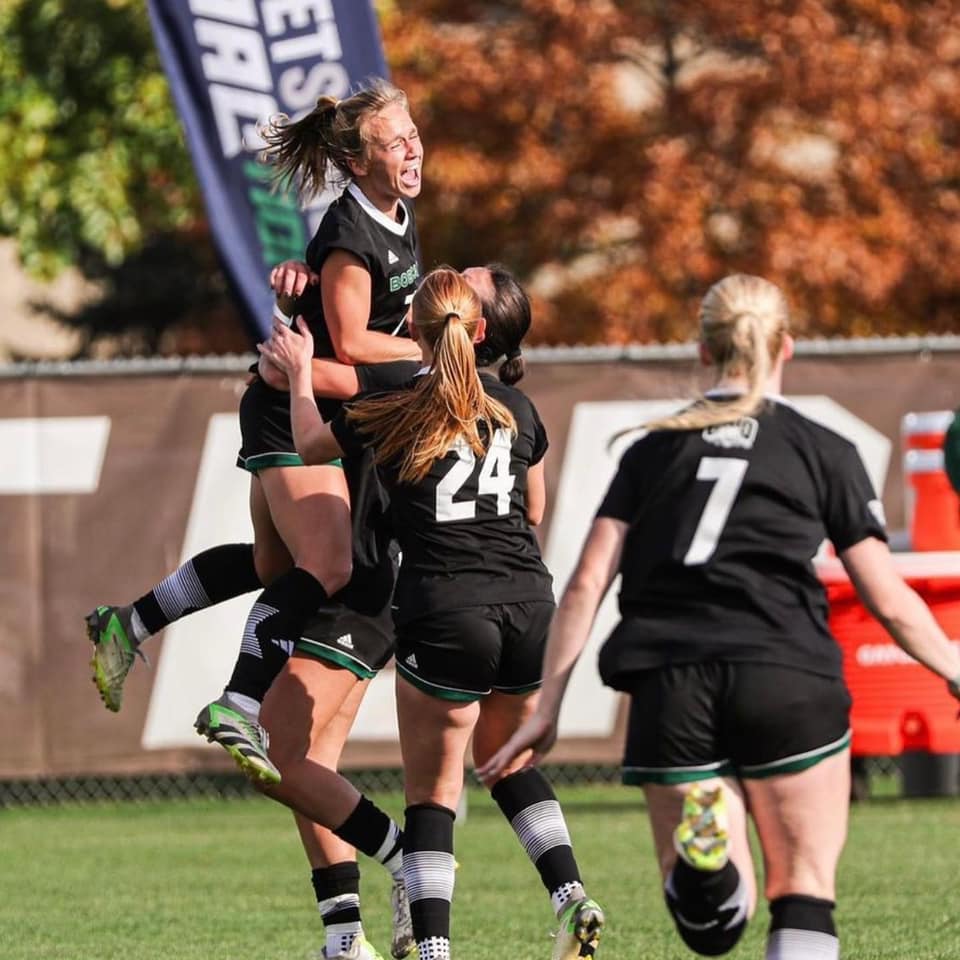
Scout in Bobcat celebration.

Soccer Dad ends heading into Scout’s senior season. Intentional beyond her graduation, Murray did not want the book to affect her playing time or anything else regarding the team. With the uncertainty of that final fall season, Scout and her parents probably had “the same conversation 25 times.”

“She had a great senior spring,” Murray said. “She worked out like crazy, trying to make herself as good as she could be to score 30 goals and win the national championship. But we understood that none of that’s guaranteed and maybe it’s even a long shot.”

Though he thinks the book ended on the right note after her junior year, Murray believes a “chapter 13,” including details of a 2025 season that ended with a losing record, could spawn good conversations. Maybe those talks take place in a podcast that include Murray, Scout, and her college coach, who seems game for it. To address the cliffhanger of her senior year, he recently wrote “Soccer Dad, Postscript: How to Make an Ending Happy.”

“I am looking forward to a year or two of having people react to the book,” Murray said. “Not just sports parents, but parents in general.”

Based on experiential knowledge, Murray ends the book with his own parenting advice. He prefaces that counsel in the conclusion in typical good wit and self-deprecation, writing …

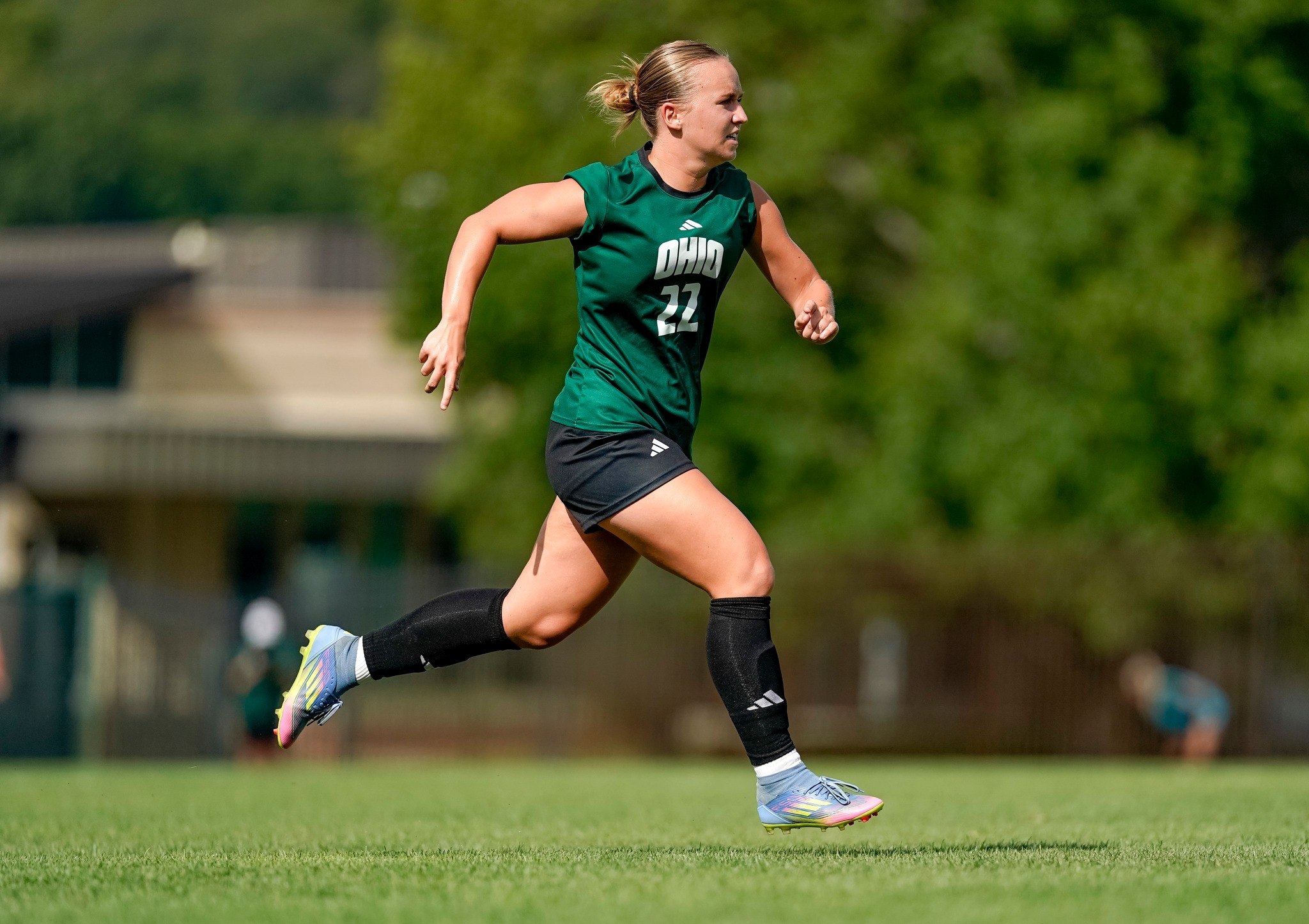
Scout running the pitch.

I wrote Soccer Dad because I thought it might be helpful for other soccer dads,
soccer parents, sports parents, and parents of any kids wrapped up in serious
activities from a young age, to hear from one parent who staggered semi-mindfully
all the way through the process and came out the other side with the kid intact,
and reasonably happy.


It’s wisdom well earned. Without spoiling the book, I’ll share some of those one- and two-liners, each of which he expounds upon in the final pages.

  • If you’re going to do travel sports, figure out the very best way to do it, and do it. (I reckon that’s true of a lot of things.)
  • Trust your self-doubt, forgive yourself your mistakes.
  • Give coaches advice on how to coach your kid — for five minutes.

Murray told me his book is also about the larger importance of sports in our world. In fact, I write this on the same day millions worldwide will tune into a World Cup U.S.A.-Belgium matchup. At stake, even for folks who typically don’t watch the sport, is victory or loss for each nation, so something linked to national identities. Even with “our squad” stateside filled with numerous sons of immigrants. You could focus on the complications of compromise between FIFA, a corrupted organization, and the most corrupt presidency in the history of the United States. Or I suppose you could tune in for the pure love of the game.

Maybe that love of play has drained away. “Sports have gotten so intense, it’s not some casual fun thing anymore,” Murray said. “And so if we’re going to devote this much to it, we have to figure out what we’re doing.”

Looking even further down the road, Murray imagines conversations Scout might have with her own children. He said, “She might tell them, ‘Your mom was a really talented player who didn’t always know it.’ And because of that, Scout had some hard times.”

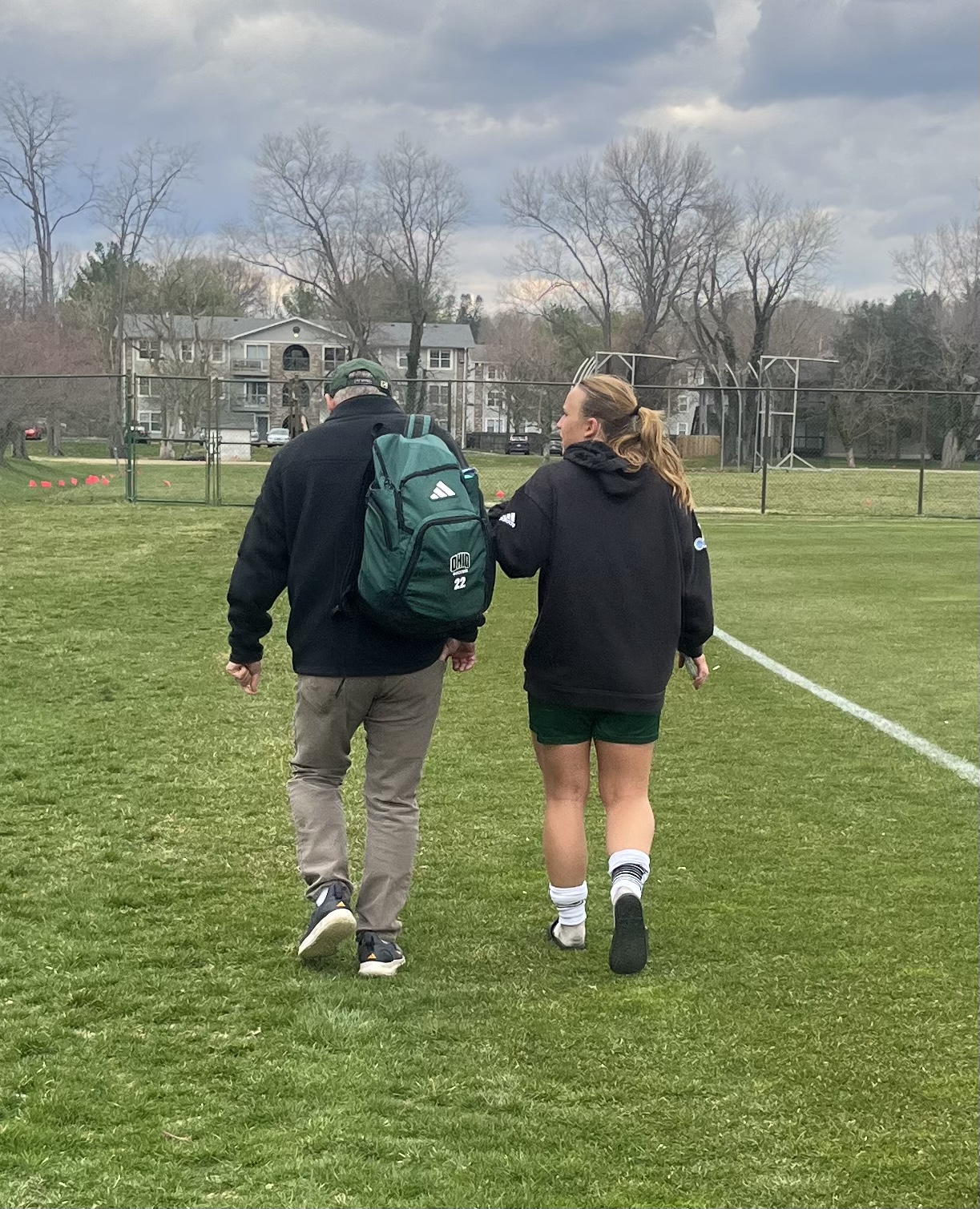
David and Scout Murray.

Although the happy ending, which leads to another new beginning with graduate school in Chicago (studying psychology) and the lifelong sisters she met as college teammates, marks just the first few chapters of Scout’s life. And in a first-page “disclaimer and dedication,” Murray writes, “First, my daughter Scout, twenty-one years old at this writing, has read and approved every word in Soccer Dad.”

High praise for a parent and a writer. Well done, David Murray.


David Murray is the author of several books, including Soccer Dad and An Effort to Understand: Hearing One Another (and Ourselves) in a Nation Cracked in Half. He is an award-winning journalist whose writing on sports and other subjects has appeared in The New York Times, the Chicago Tribune, The Atlantic, and many other publications.

William Meiners is the editor of Sport Literate.

Reds Drop Two of Three in San Diego, Including Finale in a Stud’s Walk-off Homer

150 150 bjj-sportliterate

Reds Drop Series in San Diego, Ending with Stud’s Walk-off Homer

by William Meiners

The Reds west coast trips, in my mind, seem rife with losing streaks and late-night heartbreaks. I’ve spent many midwestern summer nights fighting off sleep only to catch the wee-hour celebrations of Dodgers and Giants and Padres. Oh my, Dick Enberg.

Time zones and circadian rhythms aside, the Queen City crews seem to play worse farthest from their Ohio homes. Perhaps only the Spanish priests, of the Franciscan order, found passage to southern California in the late 1700s as daunting.

On June 8th, amidst a four-game skid and owning only a single win in the month’s first week, Cincinnati traveled to San Diego for the first of three games with the Padres. The teams then had inverse records… Reds (31-34) and Padres (34-31).

Andrew Abbott surrendered a solo shot in the bottom of the third. Reds bounced back with single runs in the fifth and sixth. And then, per the 2026 season routine, the final frames returned to script. Reds relievers gave up two in the seventh, three in the eighth. An inability to field bunts and take outs given to them turned a close game into something almost predictable… a 6-2 loss.

On Tuesday, a week away from their last win — with the “tarps-off” Cincinnatians inspiring the walk-off win against the Royals — the Reds needed good fortune, an uncharacteristically stingy bullpen, and late-night power to win 5-3 in 11 innings. Sal Stewart provided the punch with a two-run homer in the final frame. Zach Maxwell, in certainly his career highlight to date, retired three straight Padres to earn his first save.

In the Wednesday afternoon rubber match, the Reds relied on three homers to score four runs. That’s the thing with this club. Several guys can launch one out on occasion. Often, however, you just need a ground out to second, or a sacrificial bunt or fly to score. Think of those charitable friars, living a more selfless life.

Up two late, the Cincy bullpen wasn’t so good in the California sun, surrendering two in the eighth to tie it. In the bottom of the ninth, Chase Petty, a converted starter, managed two harmless groundouts. Then Fernando Tatis Jr. scorched a line drive over the left field wall. Gleefully circling the bases, Tatis untucked his shirt as he approached the welcoming arms of fellow Padres at home plate.

There’s nothing like the walk-off win in baseball. The unleashed joy of men jumping around a field like boys, baptizing their momentary hero with the hydrating fluids from Gatorade coolers. And they stripped the tarp off Tatis quicker than the 106-mph exit velocity of his homer.

A lean athlete, an Adonis adored by the ancient Greeks, Tatis stood shirtless for the postgame interview. Were his body mine — through colonial conquest, contract, or some “Freaky Friday” transformation — I’d show it off all the time. Yet my 60-year-old frame, conditioned in cubicles and bolstered by beer, walks the runway of life with “tarps on.” With a compression shirt beneath to still my beating heart.

William Meiners is the editor of Sport Literate. Among his summer 2026 plans are the documentation of 33 Reds’ series. That should be about 600 to 700 words every few days. If you don’t expect too much breakdown or analysis, outside of his own troubled head, you may not be disappointed. From losing streaks through high-water marks, he’ll follow the club, sometimes literally, from the reluctant spring of early May through the dog days of August. Then he’s off to something else.